Bulguksa cultural walk: from stone pagodas to painted eaves
Read the Korean original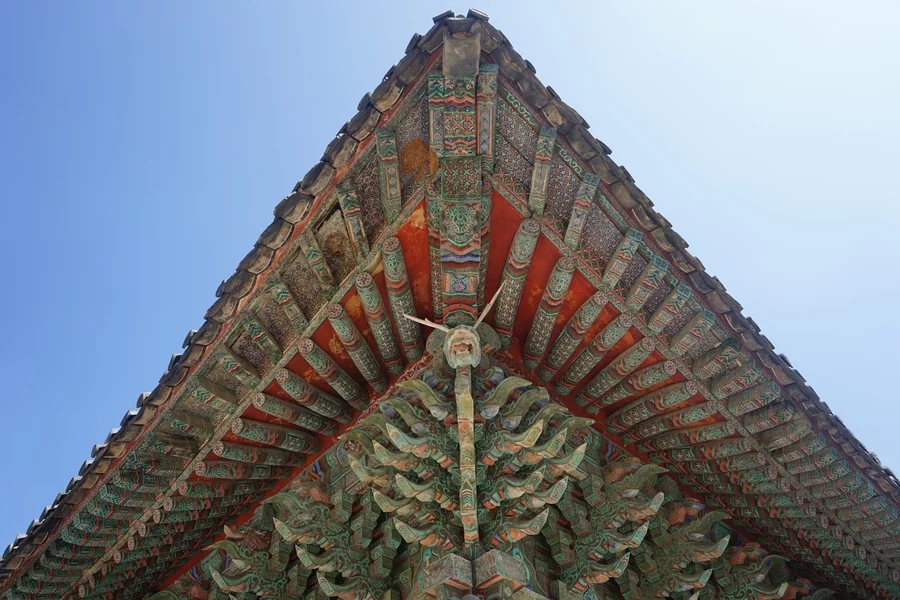
At a glance
Official information verified- Route / Venues
- Bulguksa Temple, Gyeongju
A Bulguksa cultural walk shifts between stone pagodas and painted timber in Gyeongju. Look at the towers’ overall forms, then notice eaves and gateways from a different height. Temple grounds and the Buddhist Museum have separate fees and closing rules. Plan them as two distinct visits rather than assuming free temple access covers every facility.
Bulguksa cultural walk: Visitor information
- City tourism listing: temple 09:00–18:00; last admission 17:00
- General temple access free; parking charged separately
- Buddhist Museum adult KRW 2,000; youth/child 1,000
- Museum closed Mondays, January 1, Seollal/Chuseok days; check winter closing time
- 385 Bulguk-ro, Gyeongju; temple 054-746-9913; museum 054-745-2100

Compare the pagodas’ silhouettes
Begin with visible differences between Dabotap and Seokgatap. Consider how your eye moves upward rather than ranking the amount of decoration. Share first impressions, read the labels, then look again. This is visual observation from the public route, not access to a pagoda interior or protected conservation area.
Read repetition beneath the eaves
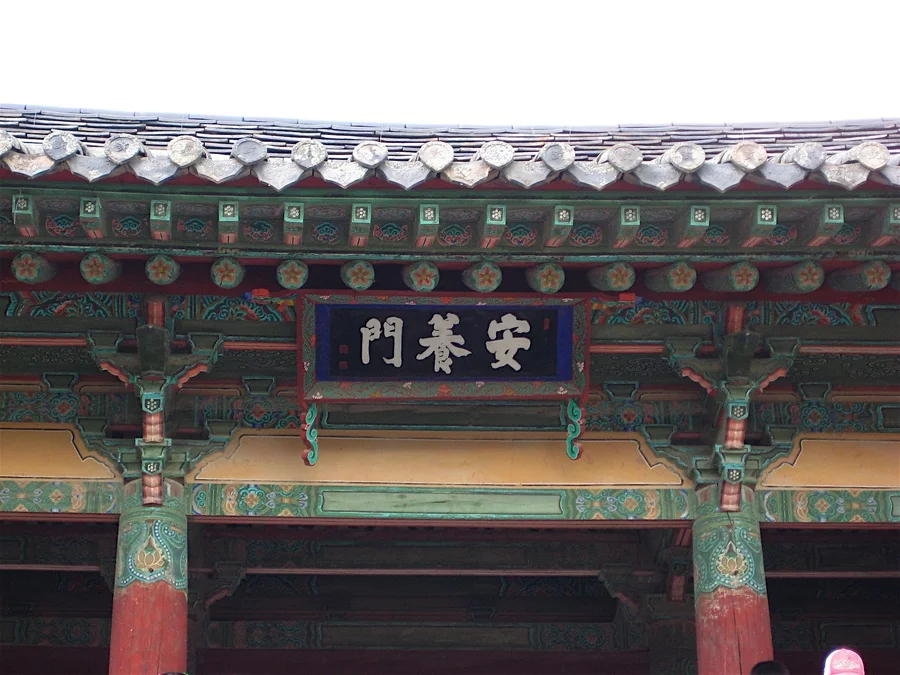
After stone, turn to painted timber and repeated patterns. A roof line at distance and a close view of colour offer different scales. The actual detail photograph dates to August 2014, and the Anyangmun photograph to October 2007. They do not describe current paint or restoration. Choose what is visible from today’s open courtyard and respect worshippers’ movement.

Connect the museum without merging fees
If the pagoda reliquaries or Buddhist art interest you, consult the museum’s current exhibition information. It has a separate admission fee and closing calendar. Add it only after checking access that day. There is no need to turn the visit into a combined journey to Seokguram. Give stone and timber time at one site, then look back at a pagoda before leaving.